Timeless Cozy Soft Lights: The Classic Try To Find Permanent LED Illumination Installment
There is a reason warm lights never truly leaves. Designs alter, home exteriors progress, rooflines get https://necoutdoorlight633.timeforchangecounselling.com/why-permanent-vacation-lights-are-transforming-home-exterior-layout cleaner, and lighting innovation maintains enhancing, yet that familiar warm glow still really feels right. It softens tough building lines, flatters brick and stone, and gives a home a lived-in beauty that cooler tones rarely match. When property owners ask what finish will still look excellent five or ten years from now, I generally return to the same answer: timeless cozy soft lights.
That answer matters a lot more when the project involves a Permanent LED Lighting Installation Momentary strands boil down. Irreversible systems keep up via every season, every weather change, and every style stage. An irreversible configuration requires to look deliberate in December, subtle in July, and appropriate on a regular Tuesday evening when nobody is celebrating anything. Cozy light does that better than almost any type of other option.
A lot of individuals first experience these systems while purchasing Permanent Holiday Lights, after that understand the genuine value has much less to do with one period and even more to do with the year-round look. Once they envision the lights staying on the house full-time, their concerns change. Showy shades are fun for occasions. Cozy soft light is what lots of people in fact wish to live with.
Why cozy light still wins on genuine homes
On paper, lighting selections can seem like a matter of preference. In technique, they influence just how the whole residence reviews from the road. A warm color temperature, usually someplace in the reduced Kelvin variety, brings out the all-natural deepness in timber, house siding, brick, and landscaping. Cooler light often tends to hone every little thing. That can be helpful in business settings or on really contemporary homes, but on most residences it feels harsher than individuals expect.
I have actually seen this play out many times throughout night demonstrations. A house owner begins asking for bright white since they want the lights to really feel clean and noticeable. Then the sample changes from trendy white to warm white, and the whole discussion changes. The rock veneer unexpectedly looks richer. The soffits stop feeling raw. The home windows tackle a softer frame. What looked remarkable theoretically begins to feel as well professional in reality, while the warmer setting looks more costly and much more at home.
The result is specifically solid on older homes and conventional design. Colonials, artisan homes, cattle ranch residences, farmhouses, and brick two-stories all often tend to gain from Classic Warm Soft Lights due to the fact that the color supports the character that is currently there. It does not take on the house. It ends up it.
That stated, warm light is not just for conventional homes. Also newer constructs with clean lines frequently look better with a warmer nighttime tone. Modern architecture currently brings enough aesthetic sharpness in its shape. Including chilly light in addition to that can press the check out something severe. Cozy illumination equilibriums the geometry and maintains your house welcoming.
The distinction in between cozy and washed out
One problem turns up frequently: house owners fret cozy light will look dim, yellow, or old-fashioned in the incorrect way. That can occur, but it normally has much less to do with the idea and more to do with the product quality, lensing, spacing, and control settings.
An excellent permanent system does not toss sloppy brownish-yellow light across the roofline. It generates a clean, controlled radiance with enough output to specify the style without flooding it. The heat must really feel willful, not weak. This is where expert product option issues. Two lighting systems can both advertise cozy white and execute extremely in a different way as soon as installed.
The lens design, diode top quality, and positioning under the soffit all affect the final look. A well-designed system hides the hardware and offers the light, not the fixture. The result is fine-tuned. You notice the line of illumination and the state of mind it produces, but you do not stare at revealed bulbs fighting for attention.
This is among the largest differences in between a thoughtful Permanent LED Illumination Installation and a patchwork do it yourself setup. The irreversible system needs to go away throughout the day and quietly boost the house in the evening. When the lights is too great, as well intense, or too revealed, the system itself comes to be the tale. That is typically not the goal for homeowners who want an ageless exterior.
Where timeless cozy soft lights fit best
Warm soft lights works remarkably well in everyday setting. That is the mode home owners utilize one of the most, also if they initially purchased the system for holidays. A lot of permanent systems invest most of the year on an easy timetable: on at dusk, off at going to bed, maybe brighter on weekend breaks, perhaps a little later throughout celebrations. In those normal-use patterns, heat is what maintains the setup from really feeling overdone.
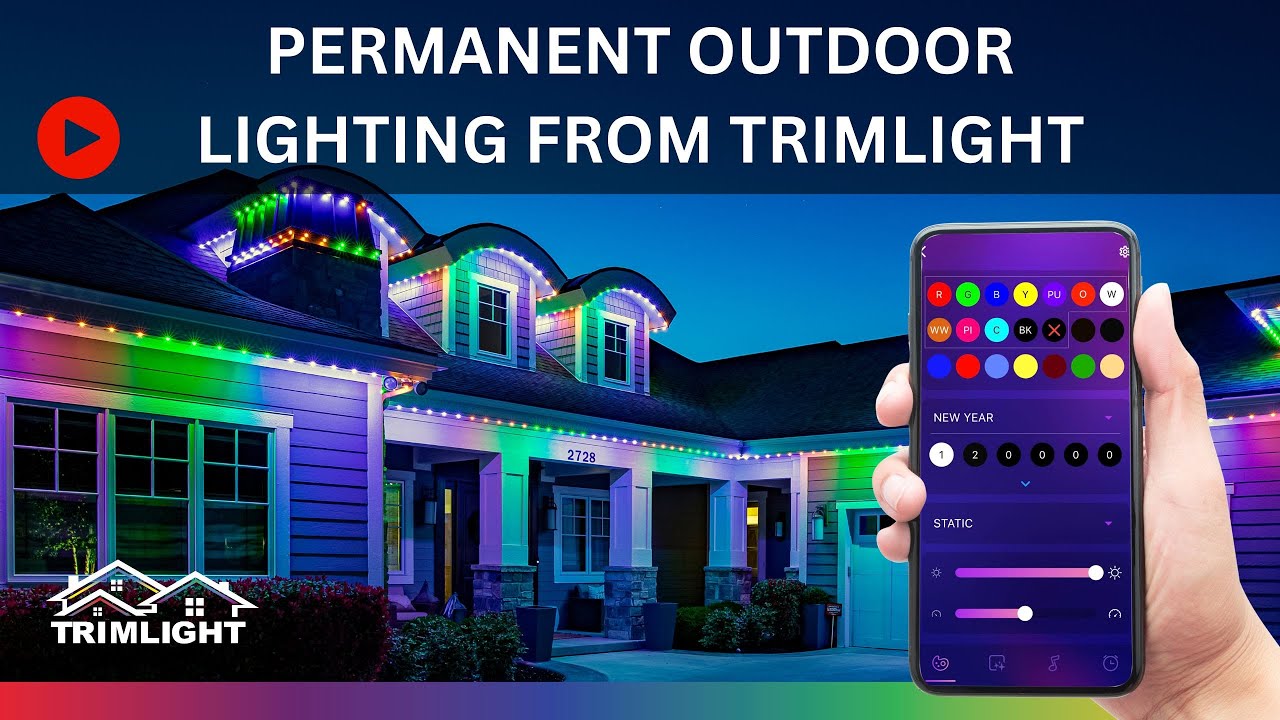
It additionally brings well throughout various objectives. For aesthetic charm, it describes the home without making it look business. For enjoyable, it creates atmosphere. For seasonal designing, it functions as a base layer that can either stand alone or be momentarily accentuated with color. For security, it supplies helpful ambient presence without the glare of floodlighting.
One client I bear in mind had a huge two-story block home with dark shutters and mature oak trees. They initially wanted a cooler white since they believed it would certainly make your home really feel much more high end. We mocked up both choices. The cooler tone showed hard off the white trim and flattened the brick. The cozy tone highlighted the appearance in the stonework and connected the whole front elevation together. A week after setup, they told me the biggest shock was how much they appreciated the lights on normal evenings, not simply when visitors were over. That is exactly the factor. Excellent long-term lights makes its go on unremarkable nights.
Permanent vacation lights that do not look seasonal
This is where many house owners hesitate. They enjoy the comfort of Permanent Holiday Lights, however they do not want the house to appear like it is always prepared for a party. That is a legit issue. Some installations do look also cheery year-round, generally due to the fact that the fixtures are as well noticeable or the default settings lean also intense and colorful.
Classic cozy setups address much of that problem. When the system is tuned to a soft cozy white and mounted quietly along the roofline or architectural edges, it learns more like high-end exterior accent illumination than vacation decoration. The holiday capacity is still there, all set for December, birthdays, video game days, or patriotic weekends, however the everyday discussion stays understated.
That twin usage is the real selling factor. Property owners no longer have to select between comfort and restraint. An excellent permanent system can be both functional and tasteful, however only if the baseline lighting choice is tranquil sufficient to live with. Warm soft light gives you that baseline.
The strongest setups usually have a power structure. Daily scenes are straightforward and low dramatization. Holiday scenes are bolder and utilized intentionally. If every setup is trying to be high effect, the uniqueness subsides rapidly. The homes that look best over time are the ones where the regular every night look is subtle.
Getting the color temperature level right
If you desire the timeless look, the real shade temperature level matters. As well warm and your home can look extremely amber. Also great and the soft qualities vanishes. There is no best number for each residential or commercial property, but there is a helpful functioning variety for a lot of homes.
In property setups, lots of people land conveniently somewhere around 2200K to 3000K for cozy soft outside illumination. The lower end feels extra candlelike and intimate. The top end still really feels cozy, yet cleaner and a little more vibrant. Product shade, trim contrast, and neighborhood context all influence where the wonderful place falls.
A white stucco home in a coastal setting may take care of a somewhat cleaner warm tone well. A red brick home with lotion trim usually looks superb a bit lower in the range. Dark outsides typically gain from enough heat to keep your house from turning visually level at night, yet they additionally require sufficient output to review plainly from the street.
Here are a few variables worth evaluating when dialing in the appropriate appearance:
- exterior material color and texture
- how hidden or noticeable the components will be
- viewing range from aesthetic to house
- whether the home is conventional, transitional, or modern
- how frequently the system will be used in day-to-day warm-white mode
That last point is very easy to underestimate. If warm white will certainly be your default 90 percent of the moment, spend added effort getting it right. It is much better to refine the day-to-day scene than to obsess over the a couple of holidays when the system goes completely color-changing.
Brightness matters as long as color
A typical blunder is criticizing the shade when the actual concern is intensity. Even a beautiful cozy white can look economical if it is also bright for the home. Overlit rooflines develop hotspots, glare, and aesthetic mess. Rather than accenting style, they overpower it.
This occurs often on modest-sized homes where the system can far more result than the design in fact requires. Homeowners see the lights at full brightness during configuration and presume even more must be better. Normally it is not. On numerous properties, going down the result visibly enhances the outcome. The lines become softer, the spill becomes a lot more controlled, and the home looks even more refined.
Permanent systems with app-based controls make this less complicated, yet only if the installer or property owner takes time to program helpful scenes. It aids to have at the very least one daily warm-white setting tuned specifically for normal nights, not just a common manufacturing facility predetermined. That setting could perform at a lower brightness on weekdays, with a somewhat brighter version for weekend breaks or entertaining.
The timeless appearance is seldom the brightest setup. It is the one that feels balanced from the street, from the driveway, and from inside your house looking out.
Installation details that form the last look
A beautiful illumination color can not rescue a sloppy set up. The craftsmanship behind the system determines whether the effect really feels custom-made or cobbled together. With Permanent LED Illumination Installation, placement is everything.
Under-soffit mounting often tends to be the cleanest option for many homes due to the fact that it hides the hardware and directs the light in a regulated laundry. Fascia placing can function well also, however it requires careful planning to keep the visual rhythm even. Spacing must react to your home, not just adhere to a one-size-fits-all rule. Optimals, dormers, garage doors, gables, and changes each change exactly how the light reads.
Wire administration matters more than people assume. Throughout daytime hours, inadequate wire transmitting is what gives away a rushed setup. Home owners are spending for permanence, so the system must feel constructed into your house instead of draped onto it. Tidy lines, matched trim channels where required, and very discreet terminations all contribute to the premium appearance.
There is additionally the matter of utility. Long-term does not mean untouchable. A well-installed system allows accessibility for future maintenance without destructive finishes or calling for significant disassembly. That is one of those information home owners may not think about on the first day, but they appreciate it later.
Warm light and seasonal versatility can coexist
Some home owners worry that picking a cozy everyday aesthetic will certainly limit the fun of shade scenes later. In truth, the two enhance each various other. A house with a tasteful baseline scene looks also much better when it changes purposefully for holidays or events. The contrast gives seasonal shows a lot more impact.
December is one of the most obvious example. Cozy white can lug your home magnificently all season, either alone or mixed with traditional red and eco-friendly accents. It likewise sets well with wreaths, garlands, natural greenery, and standard design. Cooler white usually encounter those products unless the whole holiday design leans really modern.
For various other events, shade can come and go without transforming the long-term identification of your house. A sports-team scene on Friday night, soft amber for autumn, red-white-and-blue for a summer vacation, then back to warm white later. The home still feels based due to the fact that the default appearance is stable.
That is one factor Permanent Vacation Lights have actually come to be extra enticing to house owners who as soon as disliked the concept. The systems no more need to scream holiday. They can behave like advanced architectural lights most of the year and shift modes just when invited to.
Practical trade-offs homeowners ought to know
Warm soft lighting is forgiving, yet it is not magic. There are trade-offs, and it aids to understand them prior to installation.
Very warm settings can lose some crispness on residences with extremely bright white trim. If the home has a minimalist, practically gallery-like style language, a slightly cleaner warm white might fit it far better than a deeply amber tone. Homes in dense communities might also need brightness adjusted carefully so the installment continues to be attractive and does not cast unnecessary spill toward bordering properties.
Another side situation is snow. In winter months environments, snow reflects a lot of light back onto the exterior. A setting that looks perfect in October may really feel brighter in January. That is not an imperfection in the system, just a tip that programmable scenes are useful. Seasonal tweaks assist maintain the very same visual mood throughout transforming conditions.
Landscaping likewise transforms the equation. Mature trees, bushes, and stonework can take in or mirror even more light than expected. Occasionally the very best roofline color requires companion adjustments in pathway or uplighting so the general scene really feels systematic. Outside lights functions best as a structure. Irreversible roofline lighting is one layer, not the whole performance.
Choosing an installer who comprehends restraint
Not every installer has the same eye. Some are outstanding at the electrical and technological side however push every home toward maximum illumination and maximum color because that is what attracts attention in a demo. The much better experts recognize when to pull back.
Ask to see finished projects at night, not just images. Photos can exaggerate brightness and squash shade. An online go to informs you far more about the installer's preference. Take note of whether the lights complement the homes or control them. Notice if the components disappear during the day. Ask what the regular day-to-day scene looks like for the majority of clients after the novelty wears off.
A good installer must be able to talk clearly about color temperature level, brightness control, installing technique, and scene shows without considering obscure advertising language. They need to also be truthful when a home would gain from a somewhat various warm tone than the house owner originally requested.
That kind of judgment is what separates a sales pitch from a design service.
Keeping the system looking excellent over time
Permanent lighting ought to not come to be a set-it-and-forget-it eyesore. Thankfully, upkeep is usually light if the system is mounted properly and the components are built for outside usage. A little interest goes a long way.
A straightforward upkeep routine usually consists of:
- checking seasonal scene routines a few times a year
- rinsing or carefully cleansing visible trim and lenses when grime develops up
- inspecting for tornado damages after significant weather condition events
- updating control software program if the producer recommends it
- confirming illumination levels still match adjustments in landscape design or paint color
Most of this takes mins, not hours. The factor is not consistent tinkering. It is maintaining the discussion deliberate. If the home obtains painted, if new trees go in, or if the family members realizes the lights run later than they favor, small changes protect the refined look.

Why the classic look has remaining power
The ideal exterior selections normally borrow from the same principle: if something flatters the home itself, it lasts. If it depends on uniqueness, it dates swiftly. Warm soft illumination flatters the home. It highlights form, structure, and proportion without forcing a pattern onto the architecture.
That is why Classic Cozy Soft Lights remain to appeal also as illumination systems come to be advanced. Individuals may appreciate the application controls, the scheduling, and the capability to switch to shade for special events, yet the look they go back to evening after night is the simple one. Warm. Well balanced. Comfortable. Classy without effort.
For property owners thinking about a Permanent LED Lighting Installation, that is the basic worth going for. Not the brightest scene, not the most dramatic trial, and not the one that obtains the largest response for 5 minutes. The best selection is the look that still really feels good after the guests leave, after the period adjustments, and after the system enters into daily life.
A residence lit in soft warm tones really feels worked out. It looks taken care of. It invites people in. And unlike several design decisions connected to a certain minute, it tends to age gracefully. That is uncommon enough to matter.